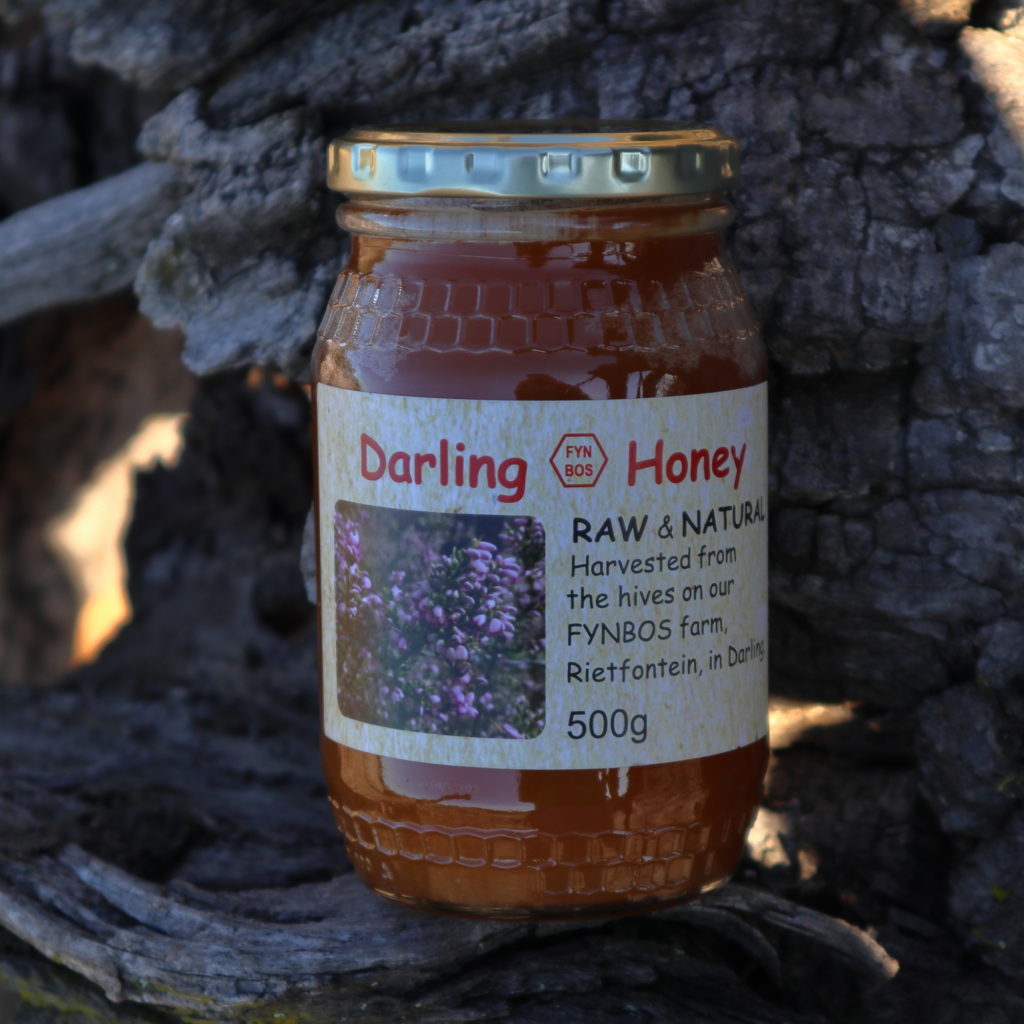
Raw Fynbos Honey
Harvested
and bottled on our fynbos farm Rietfontein, Darling.
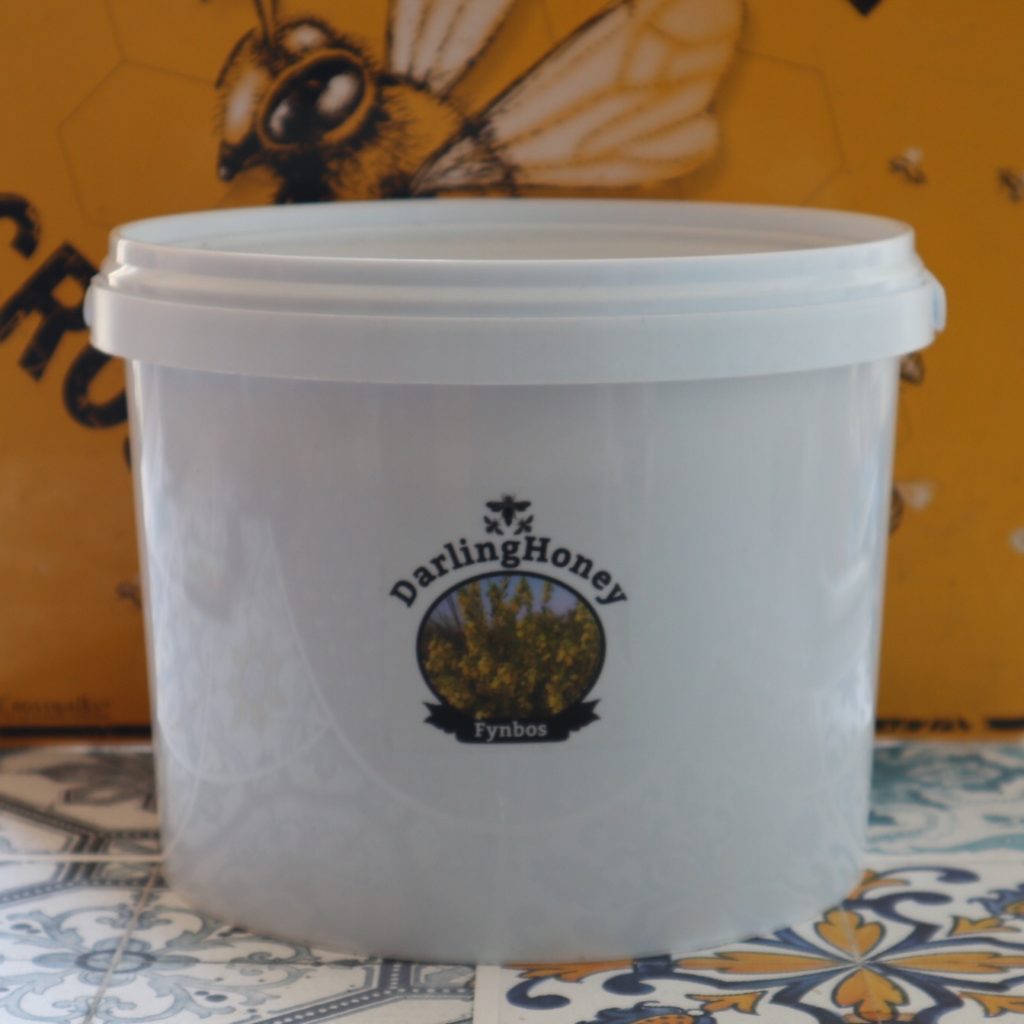
Fynbos Honey
Harvesting Fynbos Honey:
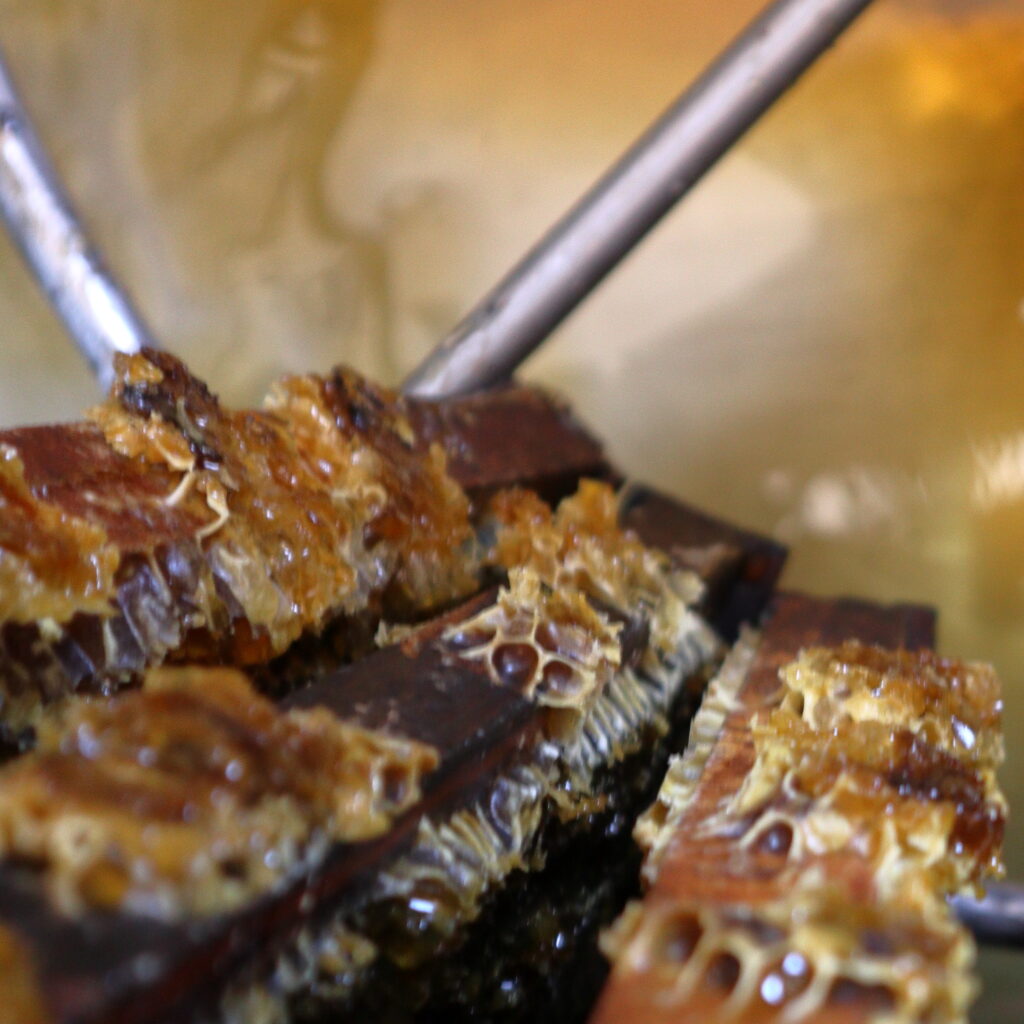
Extraction Process:
Sustainable Practices:
Bottling and Purity:
The honey is then strained and bottled without any heating, filtering, or blending, preserving its natural state.
Organic by Nature:
Historical Roots of Raw Honey
Honey collection represents one of humanity’s oldest activities, with evidence from a cave painting in Valencia, Spain, indicating humans hunted for honey around 8,000 years ago.
Ancient Egypt and Rome
Egyptians utilized honey extensively in their cuisine, using it to sweeten cakes and biscuits, as well as in various other dishes. In Rome, where sugar was scarce, honey was a fundamental sweetener, as documented by numerous Roman authors.
Beekeeping in Ancient China and Mesoamerica
The origins of beekeeping in China are so ancient they are lost to history. In Mesoamerica, particularly among the Maya, honey was not only a culinary staple but also held sacred status.
Medicinal Uses Across Cultures
Various cultures have harnessed honey for its health benefits, employing it as an ointment for skin conditions like rashes and burns, and as a remedy for sore throats and gastric issues. Its antiseptic and antibacterial properties, now scientifically validated, were once purely empirical.
Antimicrobial and Healing Properties
Honey’s antimicrobial qualities have made it a traditional treatment for a range of ailments. Modern research, including a study cited in The Guardian, supports its effectiveness in soothing coughs, affirming centuries-old practices with contemporary science.
- Eva Crane, The Archaeology of Beekeeping, Cornell University Press (1983)
- Randerson, James. “Honey Beats Cough Medicine“. The Guardian (London), 4 December 2007
Nutritional Superiority:
Raw Fynbos Honey is considered one of the healthiest types of honey due to its high nutritional value, retaining more vitamins, enzymes, antioxidants, and other beneficial compounds compared to processed honey.
Digestive Health:
Unlike processed sugars, raw Fynbos Honey does not ferment in the stomach, making it a beneficial choice for those with digestion issues. It’s particularly effective in counteracting acid indigestion.
Energy Boost:
Invert sugar is found in honey, which provides instant energy. When combined with ginger and lemon juice, it can relieve nausea while also supplying a quick energy boost, making it ideal for post-illness recovery or before physical activity.
Antioxidant, Antiseptic, and Antibacterial Properties:
Fynbos Honey is rich in antioxidants that combat free radicals in the body. Its natural antiseptic and antibacterial qualities make it useful for wound healing, potentially reducing odor, swelling, and scarring, and preventing dressings from sticking to wounds.
Respiratory Health:
Raw Fynbos Honey has been used for centuries to soothe sore throats and alleviate coughs. Recent studies, such as one mentioned in The Guardian, suggest it can be as effective as some commercial cough medicines, providing a natural alternative for respiratory relief.
Cosmetic Benefits:
In cosmetology, raw honey serves as a natural moisturizer and conditioner for both skin and hair. When used in masks, it can reduce facial redness, improve acne conditions, and hydrate the skin. Mixed with olive oil, it’s known for conditioning hair, making it softer and more manageable.
Wound Care:
Studies from the Waikato Honey Research Unit have highlighted honey’s effectiveness as an antibacterial agent, supporting its use in wound care for its healing properties.
These benefits are not just anecdotal but are backed by both traditional use and modern scientific research, making raw Fynbos Honey a valuable natural remedy and health product.
Sources:
- Waikato Honey Research Unit. “Honey as an Antibacterial Agent”. Retrieved 5 February 2007.
- Randerson, James. “Honey ‘Beats Cough Medicine'”. The Guardian (London), December 4, 2007.
- “Health Benefits of Honey”. Bees-Online: An Educational website about Honey Bees and Beekeeping. Retrieved 30 January 2011.
Indefinite Shelf Life:
Known for its extraordinary preservation capabilities; when stored correctly, it can last indefinitely. Archaeologists have found pots of honey in ancient Egyptian tombs that are over 3,000 years old and still perfectly edible.
Natural Preservatives:
Crystallization:
Storage Conditions:
Preventing Fermentation:
Nutritional Integrity:
Historical Use:
Color and Flavor:
Labeling for Raw Honey:
Environmental Factor:
It’s crucial to remember that while raw honey has remarkable preservation qualities, these are most effective under proper storage conditions.
- National Honey Board. “Honey Storage & Preservation”.
- Food Safety News. “The Amazing Preservation Power of Honey”.
- Honey Bee Suite. “Why Does Honey Sometimes Ferment?”.
Definition:
It is honey that has not been pasteurized, filtered, or processed in any way, preserving its natural enzymes, antioxidants, pollen, and other beneficial compounds.
Beekeeping Practices:
Harvesting:
The process typically involves:
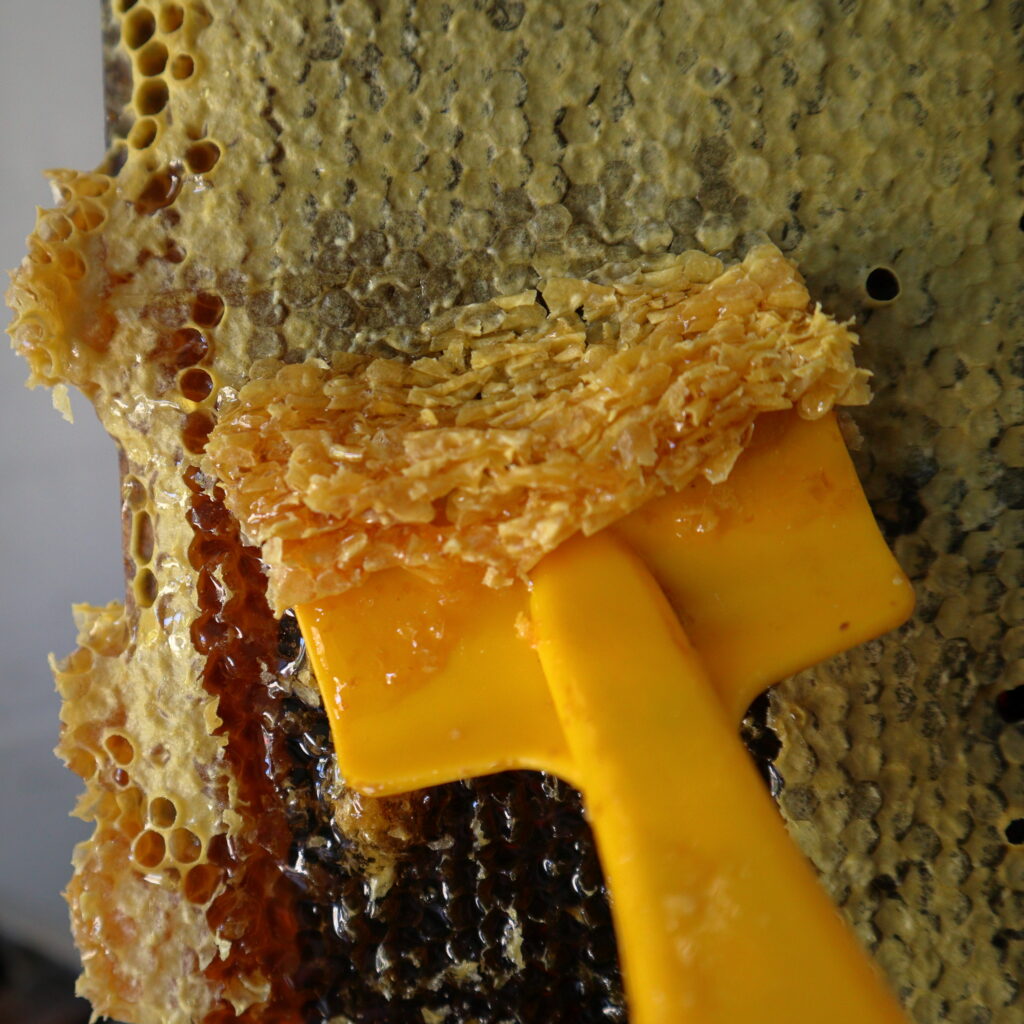
Uncapping:
Removing the wax caps from the honeycomb using tools like an uncapping knife or fork.
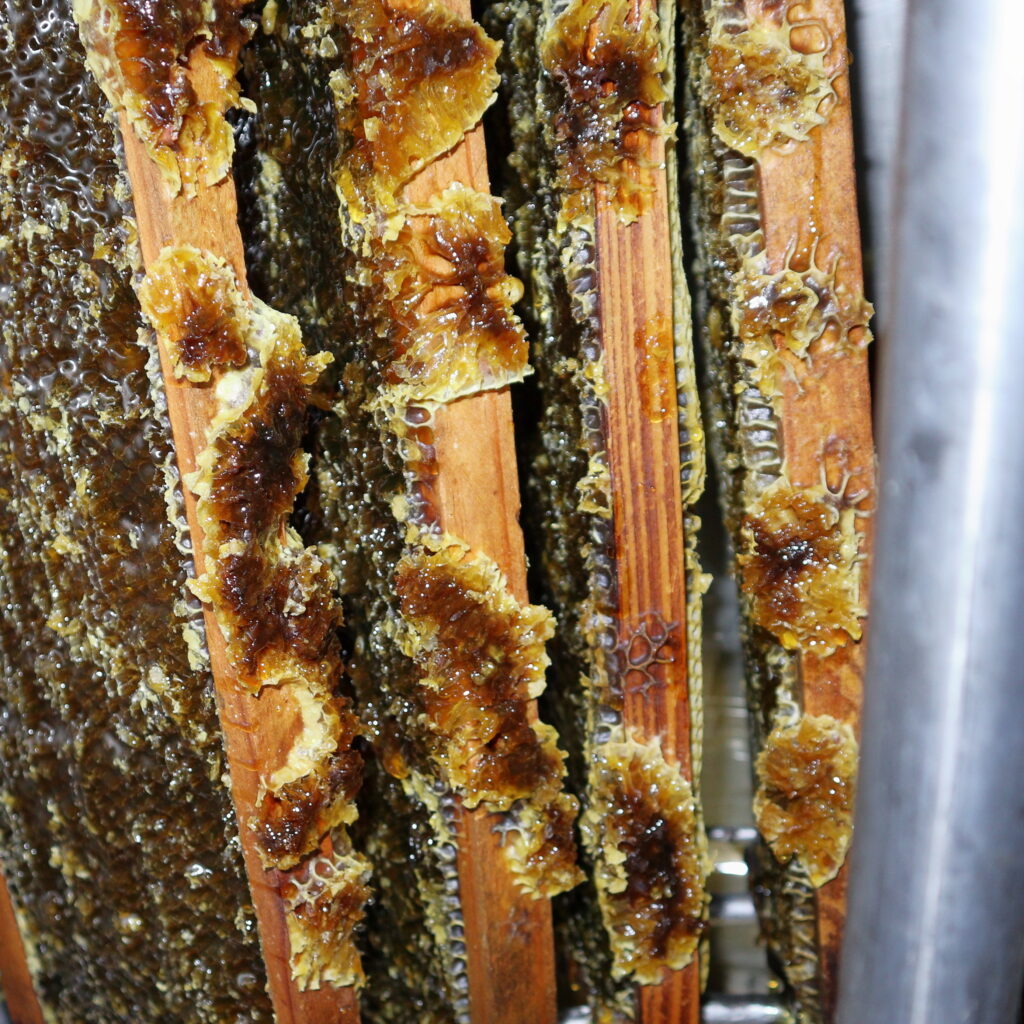
Extraction:
Straining:
Seasonal Variability:
Regional Characteristics:
Sustainability:
No Chemicals
Natural Comb
Pollinator Health:
- National Honey Board. “Honey Production”.
- Bee Culture Magazine. Various articles on beekeeping practices and raw honey.
- Slow Food Foundation for Biodiversity. “Raw Honey”.